North Texas heat pushes every roof system hard, and attic ventilation is where many homes and small buildings in Rockwall lose the battle. Poor airflow traps heat, cooks shingles, and drives cooling costs up across long, hot afternoons. The fix is not guesswork. Measured intake and exhaust, sealed bypasses, and balanced attic pressure restore efficiency and extend roof life.
This article explains common ventilation problems seen in Rockwall and nearby lake communities, how they raise energy bills, what visible signs to watch for, and the repair options that deliver real savings. It also shows how a roofing contractor Grand Prairie team like SCR, Inc. General Contractors supports homeowners and property managers across Grand Prairie, Rockwall, and the DFW corridor with code-compliant upgrades, warranty-backed materials, and fast inspections that stand up to insurance review.
Why ventilation becomes an energy problem in Rockwall
Rockwall summers bring long stretches of 95 to 105 degrees. Attic temperatures often exceed 130 degrees by midafternoon if intake and exhaust are weak. That heat radiates through the ceiling, loads the HVAC system, and keeps rooms hot in the evening. The effect compounds on darker roofs, low-slope designs, and homes with complex rooflines that restrict air movement.
Winter plays a quieter role. Trapped moisture from daily living rises through ceiling penetrations and condenses inside a cold attic. Wet insulation loses R-value. The next summer, the attic heats faster, and the cycle worsens. The result is higher cooling bills, early shingle aging, and more frequent HVAC runtime.
A balanced system fixes this. Intake at the eaves feeds cooler outside air through soffit vents. Exhaust at the ridge or high on the roof lets hot air escape. The air path must be clear from soffit to ridge, with baffles above insulation to protect airflow. Every detail matters. One blocked bay or oversized power fan can throw the system off.
Problems seen on Rockwall roofs that increase cooling costs
Uneven intake and exhaust is the most common cause. Many homes in Rockwall’s mid-2000s subdivisions have impressive ridge vents but undersized or clogged soffits. Without intake, ridge vents pull very little air. The attic still bakes. In older homes near downtown Rockwall, painted-over wood soffits and sagging insulation block flow entirely. In homes along Lake Ray Hubbard, wind-driven rain can clog basic bug screen with debris and fine dust, further reducing intake.
Mixed systems create negative pressure. A powered attic fan can fight a passive ridge vent, pulling conditioned air from the home through light fixtures and attic hatches instead of drawing air from the soffit. This increases cooling load and humidity. In multi-plex and smaller commercial buildings with gable vents plus turbines, the mismatch grows. Electric bills tell the story.
Blocked or missing baffles are another issue. Insulation contractors blow new insulation to meet current R-values but may bury the soffit channels. Without baffles, the insulation curls into the eave and stops air movement. The attic turns into a closed oven. Cooling costs can jump 10 to 20 percent, especially in one-story ranch plans with large attic footprints.
Dark, heat-absorbing shingles and low-reflectance underlayments add to the problem. While color alone does not cause high energy bills, it raises peak attic temperatures. Without adequate ventilation, shingle temperatures soar and oils volatilize. Granule loss speeds up, and the roof’s life shortens by years.
Skylights, can lights, and bathroom fans that vent into the attic make the problem worse. Moist air feeds mold on the roof deck and raises latent load. In Rockwall’s humid months, that moisture lingers. When cooling season begins, the HVAC runs longer to remove heat and humidity the attic should exhaust passively.
Signs a Rockwall home is paying too much for poor ventilation
Utility bills show the first sign. If July and August cooling costs exceed prior years by 10 to 30 percent with no thermostat changes, attic heat loading may be a factor. A quick attic temperature check at 3 p.m. can confirm: if the attic runs more than 20 to 25 degrees above outside temperature, ventilation likely needs work.
Inside the attic, look for dark streaks on sheathing near the ridge, rusted nail tips, and damp insulation clumps. These indicate trapped moisture. On the roof, brittle shingles around the ridge, cupping, or early granule loss often point to high attic heat. In soffits, dirt streaks and cobweb clumps show where intake has slowed or stopped.
In rooms below the attic, sensors or a handheld infrared thermometer can show ceiling temperatures several degrees warmer than walls during peak afternoon heat. That difference often drops after intake and exhaust are balanced and baffles installed.
The math of balanced airflow that lowers energy costs
A practical target is one square foot of net free vent area for every 300 square feet of attic https://commercial-roofers-dfw.b-cdn.net/grand-prairie/storm-damage-roof-repair.html floor with a balanced split. Half should be intake, half exhaust. Many Rockwall homes miss this by a wide margin on the intake side. Perforated vinyl soffit often provides less open area than expected. Painted wood soffit with insect screen offers even less, sometimes near zero.
Ridge vents also differ. A continuous, baffled ridge vent with external baffles moves more air than a series of short cut-in vents. Box vents work, but they need more units to match the performance of a continuous ridge vent. Mixing types leads to uneven pressure zones and backflow.
Baffles keep the channel open from soffit to ridge. In areas with 2x6 rafters, low-profile baffles maintain a two-inch air space. In cathedral ceilings, ventilation can be more complex, sometimes requiring deck-level vent mats or converting to a “hot roof” with spray foam and no venting. The right choice depends on framing depth, mechanical locations, and roof geometry.
Repair strategies that make a measurable difference
Simple steps can remove heat load quickly. Clearing soffit vents, adding baffles, and converting mismatched exhaust to a continuous ridge system often drops attic temperature by 15 to 25 degrees. That translates to fewer HVAC cycles during peak hours. On test homes, homeowners see 8 to 15 percent cooling cost reduction in the first billing cycle after improvements, with larger gains on poorly vented roofs.
For homes with power fans, either add balanced intake or decommission the fan when a continuous ridge vent is installed. Do not mix a power fan with a ridge vent unless a designer calculates the airflow and ensures proper intake. Pulling air from living space raises energy costs and can bring attic odors into the home.
Bathroom and dryer vents should discharge outside, through properly flashed roof caps or wall vents with backdraft dampers. Skylight wells should be sealed and insulated to reduce conductive and radiant gains. Recessed lights need IC-rated housings with sealed covers or air-tight retrofits.
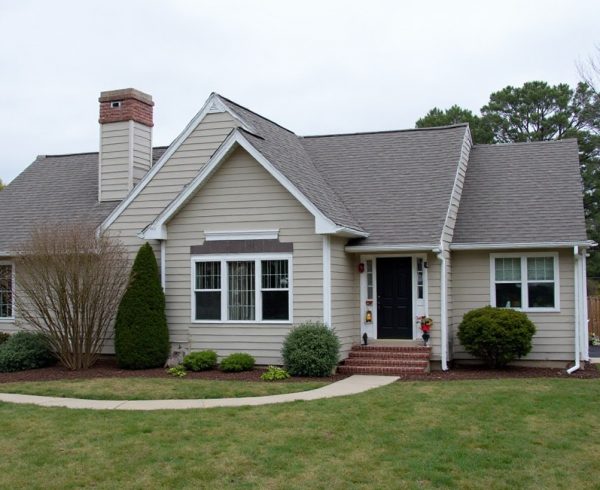
In remodels or roof replacements, consider higher reflectance shingles or a cool roof underlayment. These materials reduce radiant heat gain. The gains are modest without correct ventilation but add up when paired with a balanced system. In homes with low-slope rear additions, add tapered insulation to improve drainage and reduce ponding heat soak.
Why this matters for property managers and small commercial owners
Small warehouses, retail bays, and office condos in Rockwall and across the DFW corridor often hide heat problems under low-slope roofs. Poor exhaust at parapet walls, clogged scuppers, and blocked make-up air paths trap heat in the plenum. The HVAC runs harder, and rooftop units fail early.
A roofing contractor Grand Prairie like SCR, Inc. General Contractors addresses this with a building-wide view. Crews inspect the roof membrane, roof drains, and attic or plenum ventilation in one visit. Infrared thermal cameras find hot spots and moisture in the insulation layer without opening the deck. Correcting exhaust at the coping cap line and improving intake through mechanical louvers can cool the space and lower runtime. For larger buildings, installing reinforced HVAC curbs and coping caps at common failure points blocks water intrusions that trigger insulation saturation, which also spikes cooling costs.
Rockwall field notes: what usually fixes the bill spike
Two recurring issues stand out. First, newer subdivisions often have continuous ridge vents and neat vinyl soffit, but the builders never cut the actual plywood intake openings behind the vents at every bay. The vinyl looks vented, but air cannot enter. Cutting proper intake slots and adding baffles solves the problem. Second, older homes have gable vents and a few box vents, but the attic flooring blocks soffit bays. Removing the flooring near the eaves or adding low-profile baffles restores the path.
On one 2,200-square-foot home near Lake Ray Hubbard, afternoon attic temperatures fell from 145 to 120 degrees after clearing soffit intakes, installing baffles across 40 bays, and converting four box vents to a continuous ridge vent. The homeowner reported a 14 percent drop in the next two summer bills. On a 4,800-square-foot two-story with a complex roofline, separating a powered fan system from the ridge vent and adding additional intake at gable returns cut HVAC runtime by almost an hour per day during peak heat.
How poor ventilation shortens roof life
Heat accelerates shingle aging. Adhesive strips lose tack, granules shed faster, and shingles curl. On vent-limited roofs, warranties can be affected if manufacturers inspect and find inadequate airflow. Under the deck, trapped moisture causes nail rust, mold growth, and deck delamination, leading to soft spots underfoot during roof work. Over time, the cost of early replacement easily exceeds the price of proper ventilation.
For low-slope sections, trapped moisture in the insulation loads the system thermally. In extreme cases, the deck corrodes, and punctures form around fasteners. These failures begin as energy waste and end as water damage.
The benefit of pairing ventilation fixes with roof upgrades
Ventilation work pairs well with re-roofing. With the deck open, cutting intake slots is easy, and continuous ridge vent install is clean. Foam baffles go in quickly, and bathroom vents can be rerouted through properly flashed roof caps. The attic hatch can be insulated and weatherstripped. In a single project, the roof gains performance, and the home gains comfort.
If the roof still has life, targeted upgrades pay off. Clearing soffit intakes, sealing bypasses around light cans and chases, and adding a continuous ridge vent are low-disruption tasks. The results show up on the next bill.
Where Grand Prairie comes in for Rockwall homeowners
Many Rockwall homeowners work or manage properties along the Grand Prairie logistics corridor and see the same weather risks on both sides of the lake. Hail, high winds, and brutal sun do not respect zip codes. A roofing contractor Grand Prairie with strong commercial and residential experience brings practical solutions that stand up to inspections from insurers and city officials.
SCR, Inc. General Contractors serves Grand Prairie, Rockwall, and nearby markets with an engineering-first approach to ventilation and roof performance. The team uses drones for documentation, infrared scans for moisture mapping, and manufacturer-approved ridge vent and intake systems. That level of detail helps prevent pushback in warranty claims and helps justify energy improvements during property sales.
Commercial insights that help homes too
Commercial practices translate well to homes with heat problems. Infrared thermal cameras reveal wet insulation near eaves where soffit intake has failed. Smoke pencils show dead air zones under valleys and dormers. Sealing attic bypasses with fire-rated foam and adding baffles at every bay turns a chaotic attic into a controlled airflow system.
On small flat roofs, a silicone restoration system over a dry, intact membrane reflects UV and reduces deck temperatures. That decreases attic heat gain in adjacent sloped areas. When paired with ridge ventilation, the combined effect shows up as shorter compressor cycles and cooler upstairs rooms.
Local context: Grand Prairie and Rockwall share the same weather story
Grand Prairie sits at the center of the DFW Metroplex, spanning Dallas, Tarrant, and Ellis counties. It includes the Great Southwest Industrial Park and a busy corridor of warehouses and manufacturing. Rockwall lines Lake Ray Hubbard, where high-velocity winds build fast. Both areas face intense UV, thermal shock, and frequent hail events. These conditions amplify the need for correct ventilation and waterproofing at eaves, ridges, and mechanical penetrations.
SCR, Inc. General Contractors supports logistics centers in the 75050 zip code and retail corridors in 75052 with rapid response and detailed documentation. The same crews that manage complex roof envelopes for warehouses can evaluate a Rockwall home’s attic airflow and deliver a clear plan that reduces energy waste.
What a proper inspection includes
A useful inspection includes attic temperature readings at multiple times of day, measurement of net free vent area for both intake and exhaust, verification that soffit openings exist behind vented panels, and a visual check for baffles in each bay. It also includes a review of bathroom and dryer vent terminations, an IR scan for wet insulation above kitchens and bathrooms, and a roof-level check of ridge vent type and condition.
For low-slope or commercial sections, inspections include drain and scupper flow, membrane condition at seams, and coping cap attachment. Correcting clogged roof drains removes trapped heat and moisture from the insulation. Reinforcing HVAC curbs reduces leak paths that lead to saturated ISO boards and higher thermal load.
The SCR, Inc. General Contractors advantage
SCR, Inc. General Contractors is a licensed general contractor with 20-plus years of large-loss insurance experience across the DFW region. The team handles residential and commercial roofs with the same discipline used for industrial assets. Certified installers work with major brands such as GAF, Owens Corning, Firestone, Carlisle SynTec, Mule-Hide, and Johns Manville. For restoration, Gaco silicone systems offer a durable, reflective surface and can qualify for NDL warranties when conditions permit.
Crews are OSHA certified and backed by an A+ BBB rating. Drone roof inspections and infrared thermal imaging provide clear evidence for claims adjusters. That matters in Rockwall and Grand Prairie, where hail and wind claims demand accurate documentation. The company offers 24/7 emergency dispatch for active leaks and fast scheduling for ventilation upgrades that bring energy costs back in line.
Where service meets local need
In Grand Prairie, SCR supports facilities near EpicCentral, the Great Southwest Industrial Park, and the corridors around the municipal airport. In Rockwall, the team serves neighborhoods along the lake and infill areas near downtown. For multi-family communities in Westchester and Mira Lagos on the Grand Prairie side, the team provides roof and ventilation solutions that reduce tenant complaints and protect common-area energy budgets.
Whether the property is a Rockwall single-family home, a small office condo, or a Grand Prairie warehouse, the approach remains the same: measure airflow, verify intake and exhaust, seal bypasses, and document every change. Results show up in lower cooling bills and fewer roof failures.
A quick homeowner checklist for Rockwall attics
- Check for continuous baffles above the soffit in every rafter bay. Confirm soffit panels lead to actual openings in the wood beneath. Verify bathroom and dryer vents discharge outside, not into the attic. Look for a continuous, baffled ridge vent rather than mixed vent types. Use an IR thermometer at 3 p.m. to compare attic air to outdoor air; aim for a 20 to 25-degree spread, not 40-plus.
When to call a pro
If attic temperatures run high, soffits appear blocked, or ridge vents share space with a power fan, it is time for a professional assessment. A qualified roofing contractor Grand Prairie like SCR, Inc. General Contractors can diagnose the airflow path, calculate required vent area, and correct intake deficiencies. The crew can also seal can-light penetrations, insulate the attic hatch, and set the system up for long-term stability.
For owners managing both Rockwall homes and Grand Prairie facilities, one vendor reduces friction. A single inspection report with drone images, IR scans, and a clear scope makes it easier to approve work and verify results. That same report supports manufacturer warranty registration and eases insurance conversations.
The next step
Schedule a drone-assisted roof and attic ventilation inspection. The visit includes intake and exhaust measurements, attic airflow mapping, and a photo log of every finding. If hail, wind, or UV exposure has also damaged the roof system, the team documents it and advises whether a repair, silicone restoration, or replacement makes sense. In many cases, improving ventilation and sealing bypasses offers quick savings and better comfort while the roof continues to serve.
Rockwall heat will not give homeowners a break, but an efficient attic will. Balanced airflow and tight air sealing cut the strain on the HVAC system and stretch the roof’s service life. With the right plan, the next summer’s bill tells the story. SCR, Inc. General Contractors is ready to help Rockwall homeowners and Grand Prairie property managers get there with clear diagnostics, practical fixes, and service that stands up to Texas weather.
SCR, Inc. General Contractors provides roofing, remodeling, and insurance recovery services in Grand Prairie, TX. As a family-owned company, we handle wind and hail restoration, residential and commercial roofing, and complete construction projects. Since 1998, our team has helped thousands of property owners recover from storm damage and rebuild with reliable quality. Our background in insurance claims gives clients accurate estimates and clear communication throughout the process. Contact SCR for a free inspection or quote today.
SCR, Inc. General Contractors
440 Silver Spur Trail
Rockwall,
TX
75032,
USA
Phone: (972) 839-6834
Website: https://scr247.com/, Storm damage roof repair
Map: View on Google Maps
Social Media: Yahoo Local